
Is Collagen Good for Dogs’ Joints? What the Research Actually Says
Last updated: October 2026 · Reading time: 9 minutes
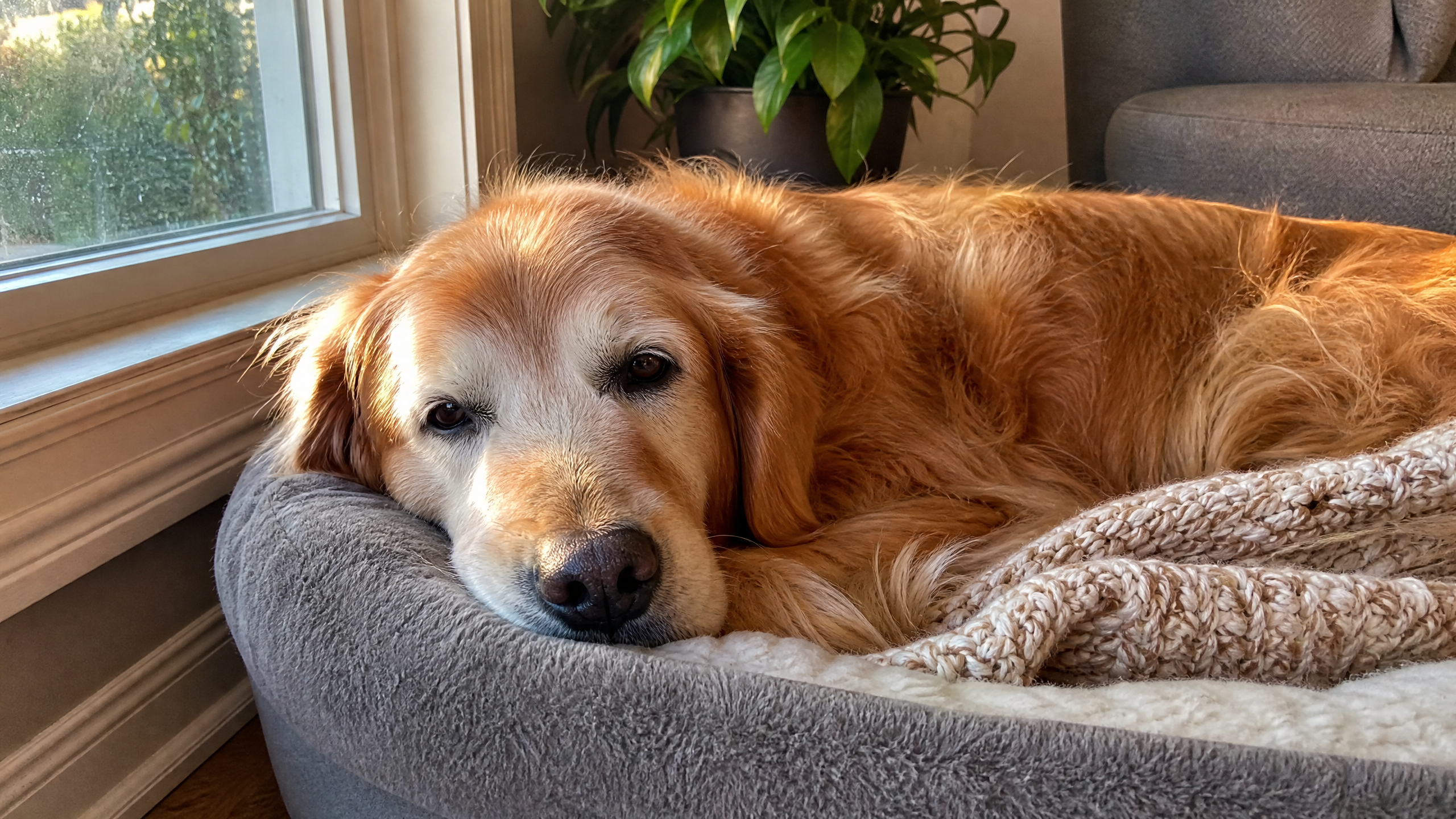
He used to beat you to the top of the stairs. Now he waits at the bottom for a second, thinking about it. She still loves her walk, but it ends a little sooner. These moments are small, and they're often the first thing owners notice as their dog gets older.
So it's natural to wonder: is collagen good for dogs' joints? In this article, we look at what collagen does in the joints, what the research actually found, how collagen compares with other joint ingredients, and how to build a realistic routine for an aging dog.
Quick answer: Collagen is a key building block of cartilage, tendons and ligaments. Some studies in dogs with osteoarthritis have reported mobility improvements, especially with undenatured type II collagen (UC-II), while others, including a recent trial of collagen hydrolysate, found no clear difference from placebo. Collagen can be part of a joint-wellness routine, but it isn't a treatment for arthritis or pain. Any limping, stiffness or pain should be checked by a vet.
How Collagen Works in Your Dog's Joints
A joint is where two bones meet. To move smoothly, it relies on several collagen-rich tissues:
- Cartilage covers the ends of the bones and acts as a cushion. It's rich in type II collagen.
- Ligaments connect bone to bone and keep the joint stable. They're mostly type I collagen.
- Tendons connect muscle to bone, also mostly type I collagen.
- Synovial fluid lubricates the joint. One of its key components is hyaluronic acid.
Over a dog's life, these tissues go through constant wear and renewal. Age, body weight, breed, activity level and injuries all influence how joints change over time.
Signs Your Dog's Joints May Need Attention
Dogs are very good at hiding discomfort. Watch for:
- Stiffness when getting up, especially after rest or in the morning
- Hesitation before jumping on the couch, the bed or into the car
- Reluctance to use stairs
- Shorter walks, lagging behind, or less interest in play
- Licking one joint repeatedly
- Limping, a change in how they sit, or muscle loss on the back legs
- Irritability when touched in certain areas
See your vet if you notice any of these. Osteoarthritis is very common in dogs, and early diagnosis opens up the most effective options: weight management, exercise plans, physical therapy and, when needed, prescribed medication. Supplements come alongside those, not instead of them.
What the Research Says About Collagen for Dog Joints
Not all collagen is the same, and the research reflects that. Studies generally look at two very different forms.
Undenatured type II collagen (UC-II)
UC-II keeps collagen's natural 3D structure and is given in very small amounts. It's thought to work through the immune system in the gut (a process called oral tolerance), rather than by providing building blocks.
In a 2019 randomized study published in Veterinary Sciences, 60 dogs with osteoarthritis received either UC-II or robenacoxib (a veterinary anti-inflammatory drug) for 30 days. Both groups showed a significant and similar improvement in mobility scores. Earlier smaller studies from the 2000s also reported positive results for UC-II in dogs.
Hydrolyzed collagen (collagen peptides)
Collagen peptides are collagen broken into small fragments that are easily absorbed. They supply amino acids such as glycine, proline and hydroxyproline.
- A 2010 double-blind, placebo-controlled trial reported that dogs with osteoarthritis given gelatin hydrolysate showed a reduction in clinical signs.
- More recent PhD research at Utrecht University found that collagen hydrolysate is absorbed quickly in dogs and reduced several inflammatory signals in lab models of joint cells. However, in a 12-week clinical trial, dogs on collagen hydrolysate did not improve significantly more than dogs on placebo.
The honest takeaway
The evidence is encouraging in places, mixed overall, and mostly focused on dogs that already have osteoarthritis. There's very little research on healthy dogs taking collagen preventively. That's why at Numa Paws we talk about supporting joint wellness as part of a daily routine, and never about treating or curing joint disease.
Collagen vs. Glucosamine, Chondroitin and Omega-3s
Collagen is one of several popular joint-support ingredients. Here's how they compare at a glance:
| Ingredient | What it is | Why it's used |
|---|---|---|
| Collagen peptides | Broken-down collagen protein | Building blocks for connective tissue, skin and coat |
| UC-II | Undenatured type II collagen | Joint-focused, very small doses |
| Glucosamine & chondroitin | Natural components of cartilage | Classic joint supplements; evidence in dogs is mixed |
| Omega-3 (EPA/DHA) | Fatty acids from fish oil | Among the better-studied options for joint comfort in dogs; also used for skin and coat |
| Hyaluronic acid | Component of joint fluid and skin | Lubrication and moisture |
These ingredients aren't mutually exclusive. Many dogs follow a routine that combines several, ideally designed with a vet who knows the dog's history and any medications.
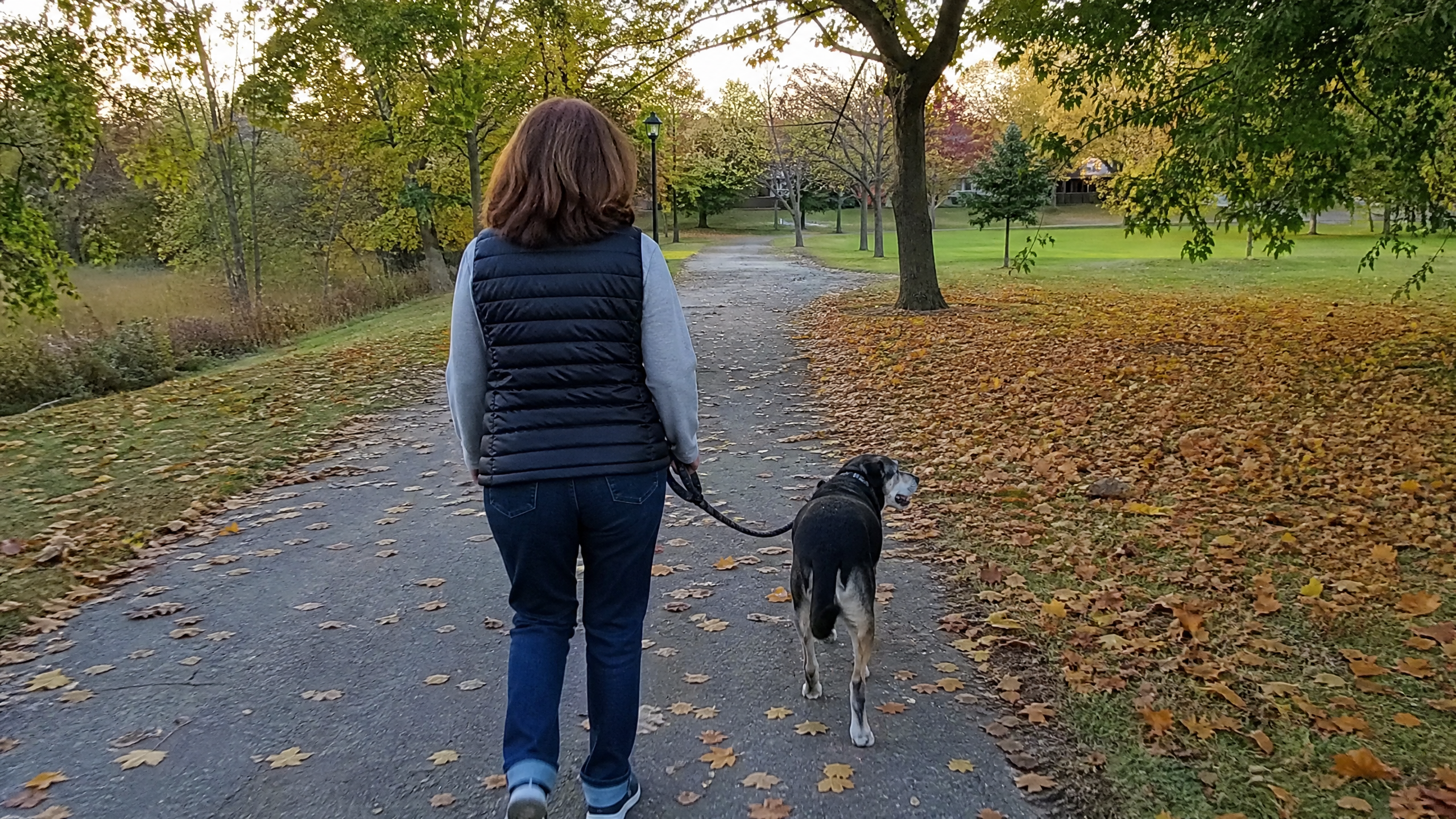
Collagen for Senior Dogs: Building a Realistic Routine
Whether or not you add collagen, these are the habits that matter most for an aging dog's joints:
1. Keep them at a healthy weight
Extra weight puts extra load on every joint, every step. For many dogs, a healthy weight is the single most impactful thing an owner can control.
2. Keep them moving, gently
Regular, low-impact activity like steady walks, sniffing time and swimming helps maintain muscle that supports the joints. Several shorter walks often work better than one long, intense outing.
3. Make the home joint-friendly
- Rugs or runners on slippery floors
- A supportive, orthopedic-style bed
- Ramps or steps for the couch, bed or car
- Raised food and water bowls for large breeds
4. Schedule regular vet check-ups
Senior dogs benefit from more frequent check-ups. Your vet can spot joint changes early and recommend what's right for your dog.
5. Add simple daily nutrition support
This is where a supplement like collagen can fit: a small, consistent habit that supports skin, coat and connective tissue. The key word is consistent. A routine you'll actually keep every day beats a complicated one you forget.
How to Give Collagen to an Older Dog
- Choose an easy format. Older dogs can be picky or have dental issues. Liquid drops added to food are often the easiest. See our guide to liquid collagen for dogs.
- Follow the label dose for your dog's weight.
- Same time, every day, usually with breakfast.
- Track what you notice. A short note each month (energy, coat, how they get up in the morning) helps you and your vet see the bigger picture.
- Check with your vet if your dog has kidney disease, is on a prescription diet or takes medication.
Numa Paws Daily Collagen Drops for Everyday Joint Wellness
Numa Paws Daily Collagen Drops combine grass-fed collagen peptides with vitamin C, biotin and hyaluronic acid, made to support joint, skin and coat wellness as part of a simple daily routine. Just add the graduated dropper to your dog's food once a day.
It's not medicine and it doesn't replace your vet. It's a small, steady way to care for the dog who's always waited for you at the top of the stairs.
Start their daily routine with Numa Paws →
New to collagen? Start with our complete guide: Collagen for Dogs: Benefits, Types, Safety & How to Choose.
Frequently Asked Questions
Does collagen help dogs with arthritis?
Some studies in dogs with osteoarthritis have reported improvements, especially with UC-II, while others found no clear difference from placebo. Collagen is not a treatment for arthritis. If your dog has arthritis or pain, your vet should guide the treatment plan.
What is the best collagen for dog joints?
Research on joints has mostly looked at UC-II and collagen hydrolysate. The "best" option depends on your dog, your vet's advice and a format you can give consistently. Look for a product made for dogs with a clear ingredient list and honest claims.
Is collagen better than glucosamine for dogs?
They're different ingredients with different roles, and the evidence for both is mixed. Many joint routines combine several ingredients. Ask your vet which combination suits your dog.
At what age should a dog start taking collagen?
There's no official age. Many owners start when their dog reaches middle age or when they first notice small changes. Large and giant breeds tend to be considered "senior" earlier than small breeds.
Can collagen replace my dog's joint medication?
No. Never stop or replace a prescribed medication without talking to your vet.
Sources
- Stabile M. et al. (2019). Evaluation of the Effects of Undenatured Type II Collagen (UC-II) as Compared to Robenacoxib on the Mobility Impairment Induced by Osteoarthritis in Dogs. Veterinary Sciences, 6(3), 72.
- Utrecht University. PhD defence: Collagen hydrolysates for dogs with osteoarthritis.
- Beynen A.C. et al. (2010). Oral administration of gelatin hydrolysate reduces clinical signs of canine osteoarthritis in a double-blind, placebo-controlled trial. American Journal of Animal and Veterinary Sciences, 5(2).
This article is for informational purposes only and is not veterinary advice. If your dog shows signs of pain, limping or stiffness, please consult your veterinarian.